
A complete guide to irritation, jewellery fit, pressure, aftercare and knowing when to ask for help.
You have been carefully looking after your piercing, but the bump beside it is still there. It may become smaller for a while, only to return a few days later. Perhaps it looks calm in the morning and irritated again by the evening.
It can be frustrating, especially when you feel as though you are doing everything correctly.
The most important thing to understand is that a piercing bump is a description, not a diagnosis. Different types of tissue changes can look similar, and a bump can have more than one contributing cause.
In many cases, the focus should not be on finding a product that makes the bump disappear. The focus should be on understanding why the piercing remains irritated.
At Dodeka Ink, we approach a troubled piercing in the same way we approach placement and jewellery selection: carefully, individually and without assumptions.
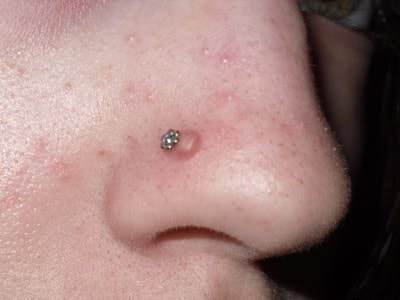
What Is a Piercing Bump?
“Piercing bump” is a general term used to describe raised or swollen tissue beside a piercing.
Depending on the situation, the visible change may be associated with:
Ongoing irritation
Pressure or friction
Excessive jewellery movement
Jewellery that no longer fits correctly
An unsuitable placement or angle
Hypergranulation tissue
Hypertrophic scarring
A localised skin or wound problem
Infection
A keloid
These conditions do not all have the same cause and should not all be treated in the same way.
The Association of Professional Piercers explains that irritation and allergy are more common piercing complications than infection. It also notes that changing aftercare or adjusting jewellery size, style or material can resolve many piercing problems. This is why good advice begins with assessment rather than with a standard “bump treatment”.
Why Hasn’t the Bump Disappeared?
A bump may remain because the source of irritation is still present.
Imagine repeatedly rubbing the same area of skin. Even if you care for it gently afterward, the tissue cannot fully settle while the friction continues. A healing piercing can behave similarly.
The bump may improve temporarily, but if the jewellery keeps moving, the piercing is slept on every night or the post remains too long, the tissue continues to be disturbed.
The piercing is not necessarily failing. It may simply be responding to an environment that is not yet calm enough for stable healing.
Below are some of the most common factors we consider when assessing a persistent piercing bump.
1. Pressure From Sleeping
Sleeping directly on a healing piercing is one of the most common sources of repeated pressure.
Even if sleeping on it does not hurt, the jewellery can still press against the healing channel for several hours every night. This may contribute to:
Persistent tenderness
Renewed swelling
Jewellery movement
Irritation bumps
Changes to the piercing angle
A longer healing process
Cartilage piercings such as a helix, flat or tragus can be particularly sensitive to repeated pressure.
The Association of Professional Piercers advises avoiding activities that jostle or aggravate a healing piercing and recommends keeping bedding clean throughout healing.
What can help?
Sleep on your back or on the opposite side.
Use a clean piercing pillow, travel pillow or doughnut-shaped pillow.
Position the ear inside the opening rather than against the pillow.
Change pillowcases regularly.
Keep hair away from the jewellery while sleeping.
If a bump repeatedly improves and returns, consider whether nighttime pressure could be part of the pattern.
2. Jewellery That Is Too Long
Initial piercing jewellery is often deliberately longer to allow room for swelling. That additional space is important during the early healing phase.
Once the swelling has reduced, however, the same jewellery may become too long.
An excessively long post can:
Move back and forth through the channel
Catch on hair and clothing
Be pushed when using towels or headphones
Create leverage against the piercing
Increase friction
Make sleeping pressure more damaging
This is why downsizing is such an important part of healing.
Downsizing means replacing the original longer post with a shorter, properly fitted piece once the initial swelling has settled. Professional piercing guidance describes downsizing as a fit adjustment that can reduce movement, irritation and snagging while improving comfort.
Is downsizing the same as changing jewellery?
No.
Downsizing may take place while the piercing is still healing. It is a professional adjustment to the jewellery fit, not an opportunity to begin changing jewellery for a different look.
A piercing may be ready for a shorter post before it is ready for decorative jewellery or changes performed at home.
If there is visible extra length or the jewellery moves repeatedly, book an in-person check-up instead of trying to change it yourself.
3. Jewellery That Is Too Tight
Jewellery that is too tight can also irritate a piercing.
A post that does not provide enough room may place constant pressure on the surrounding tissue. Tight jewellery may become especially problematic if the piercing swells again after being bumped or irritated.
Contact a piercer promptly if:
The jewellery appears to be sinking into the tissue
Skin begins growing over part of the jewellery
There is no visible space for swelling
The jewellery feels increasingly tight
Pressure marks are developing
The area becomes significantly more uncomfortable
Do not wait for the jewellery to become embedded. A professional piercer can assess whether the post needs to be changed to a more appropriate length.
4. Touching or Rotating the Jewellery
A healing piercing does not need to be rotated.
Turning or moving the jewellery can disturb the delicate tissue forming inside the piercing channel. It may also pull dried discharge through the channel and transfer bacteria from the hands to the area.
The Association of Professional Piercers states that moving or rotating jewellery is unnecessary during cleaning and may irritate the piercing. It recommends washing your hands before touching the area and otherwise leaving the piercing alone. That means:
Do not twist the jewellery.
DON’T
Move it to “stop it sticking”.
Play with it.
Repeatedly check whether it still moves.
Remove it for cleaning.
Clean around the piercing without forcing the jewellery to move.
A piercing that does not move freely is not asking to be loosened. It is asking to be left alone.
5. Snagging and Everyday Friction
Not all irritation comes from deliberate touching.
A piercing may be disturbed throughout the day by:
Hair
Glasses
Headphones
Helmets
Hats
Towels
Clothing
Makeup tools
Telephone use
Sports equipment
One snag may cause short-term sensitivity. Repeated snagging can keep the piercing in a continuous cycle of swelling and irritation.
Try to identify what regularly comes into contact with the area. Sometimes a small practical adjustment makes a meaningful difference.
For example:
Change how you dry your hair.
Avoid wrapping a towel tightly around a healing ear piercing.
Clean items that regularly touch the area.
Temporarily change headphones.
Keep hair tied away from the piercing where practical.
Be careful when changing clothes.
The solution is not always an additional aftercare product. Sometimes the piercing simply needs less interference.
6. Over-Cleaning or Using Harsh Products
More cleaning does not automatically mean better healing.
Using strong products or cleaning a piercing too frequently can dry and irritate the skin. The Association of Professional Piercers identifies inappropriate aftercare as a common cause of distressed piercings and advises against products such as alcohol, hydrogen peroxide, Betadine, harsh soaps and ointments for healing ear or body piercings. For general body-piercing aftercare, the APP recommends a packaged sterile saline wound wash containing 0.9% sodium chloride, without unnecessary additives. It also says that rotating jewellery during cleaning is not required. Avoid trying several remedies at once. If the piercing reacts, it then becomes difficult to identify which product or routine is contributing to the problem.
Avoid online “miracle remedies”
Be cautious with suggestions such as:
Tea tree oil
Aspirin paste
Alcohol
Hydrogen peroxide
Undiluted essential oils
Thick ointments
Homemade mixtures of uncertain strength
Popping or draining the bump yourself
A persistent bump needs its cause assessed, not simply dried out or chemically treated.
7. Jewellery Material or Surface Quality
Jewellery remains in direct contact with the healing channel throughout the recovery process. The material, polish, construction and fit can therefore matter.
A rough surface, damaged finish or unsuitable material may keep the tissue unsettled. Jewellery can look attractive while still being inappropriate for a healing piercing.
At Dodeka, jewellery selection is approached as part of the piercing process rather than as a decorative afterthought. The jewellery should suit:
The placement
Your anatomy
Stage of healing
Required post length
The intended long-term result
If the bump developed after a jewellery change, bring this up during the check-up. The timing, material, style and fit of the new piece may all be relevant.
Do not repeatedly change jewellery in an attempt to solve the issue. Each change can cause additional movement and trauma.
8. Placement or Angle
Sometimes the ongoing problem is not the cleaning routine or jewellery material. It may be the angle of the piercing.
A piercing should be positioned in a way that works with the tissue, placement and intended jewellery. If the channel sits at an unsuitable angle, pressure may be distributed unevenly.
This can contribute to:
A bump on one or both sides
Persistent irritation
Jewellery that does not sit as expected
Repeated pressure against the tissue
Changes to the visible angle
Difficulty stabilising the piercing
An established angle cannot be corrected simply by applying a product or changing the cleaning routine.
A professional assessment is important because the responsible recommendation may sometimes be to remove the jewellery, allow the area to heal and consider repiercing later. That can be disappointing, but preserving tissue health is more important than keeping an unstable piercing at all costs.
Never remove the jewellery by yourself if infection is suspected. Seek medical advice first.
9. The Piercing Is Still Healing
A bump does not necessarily mean that the piercing has stopped healing altogether.
Piercings heal from the outside inward. They may appear calm on the surface while the internal tissue remains fragile. The APP notes that a piercing can seem healed before the process is complete and that patience is required throughout the full healing period. Cartilage piercings can take many months to stabilise. During that time, a period of pressure, movement or illness may make the piercing temporarily more reactive.
A calm week does not always mean the piercing is fully healed, and one irritated day does not always mean that it is failing.
Look for the overall pattern:
Is the irritation steadily improving?
Does it return after sleeping on the piercing?
Is the jewellery frequently caught?
Is there still excessive post length?
Did the problem begin after changing products or jewellery?
Is the bump growing rather than fluctuating?
These details are useful during an in-person assessment.
Is It a Keloid?
Not every piercing bump is a keloid.
A keloid is a type of raised scar that grows larger than the original wound. The American Academy of Dermatology explains that keloids can develop after skin injuries, including body piercings, and that dermatologists have expertise in diagnosing and treating them. A piercing professional can observe the area and tell you whether the bump appears to be associated with jewellery, pressure or irritation. However, a piercer cannot medically diagnose a keloid or other skin condition.
Arrange medical or dermatological assessment if the raised tissue:
Continues growing beyond the original piercing site
Becomes significantly larger over time
Is firm and persistent
Does not respond when obvious sources of irritation are removed
Is associated with a personal or family history of keloid scarring
Do not attempt to burn, cut, freeze or chemically treat the tissue yourself.
Is the Bump an Infection?
A piercing bump does not automatically mean that the piercing is infected.
The NHS says a new piercing may initially be tender or itchy, appear slightly red or darker than usual, and produce a pale fluid that forms a crust. Signs that may indicate infection include increasing swelling, pain, heat, pronounced redness or darkening, blood or pus, or feeling hot, cold, shivery or generally unwell. The Association of Professional Piercers advises seeing a doctor immediately for severe redness, swelling or pain, thick green, yellow or grey discharge with an unpleasant smell, red streaks, worsening symptoms, fever, chills, nausea, vomiting, dizziness or disorientation.
Contact a doctor promptly if:
Pain or swelling is becoming more severe
The area feels distinctly hot
Redness or discolouration is spreading
Thick pus or blood is present
Red streaks extend away from the piercing
You feel feverish, shivery or generally unwell
Symptoms are rapidly worsening
Dodeka can assess jewellery, fit, angle and visible irritation, but only a qualified medical professional can diagnose and treat an infection.
Should I take the jewellery out?
Do not remove the jewellery yourself when infection is suspected unless a doctor instructs you to do so.
The NHS advises leaving the jewellery in place unless a doctor says otherwise. The APP also warns that removing jewellery can allow the channel to close and may contribute to abscess formation when infection is present.
Why Does the Bump Keep Returning?
A recurring bump usually suggests that the tissue continues to encounter a trigger.
That trigger may not be constant. It could happen only when:
You sleep on that side
You wear a particular pair of headphones
Your hair becomes caught around the jewellery
The jewellery moves during sport
You clean the area too aggressively
A long post is pushed at an angle
You wear a helmet or head covering
The piercing is bumped at work
This is why a bump can seem to disappear and then return.
Take note of what happened before the irritation reappeared. A short record can be useful:
When did the bump first appear?
Does it change size?
Is it on one side or both?
Does it worsen after sleeping?
Has the jewellery been downsized?
Was the jewellery recently changed?
Which products are being used?
Is the piercing repeatedly caught?
Has the visible angle changed?
The purpose is not to diagnose the issue yourself. It is to provide your piercer with useful context.
What Should You Do First?
1. Leave the jewellery alone
Do not rotate, squeeze, pop or repeatedly inspect the bump.
2. Stop experimenting
Avoid introducing several new oils, creams or homemade treatments.
3. Remove obvious pressure
Do not sleep on the piercing. Change or adjust anything that regularly presses against it.
4. Review the jewellery fit
If the post appears too long, too tight or sits unevenly, arrange a professional check.
5. Keep aftercare simple
Follow the aftercare guidance provided by your piercer. The APP recommends sterile saline wound wash for healing body piercings and advises against harsh products that can irritate the tissue.
6. Book an in-person check-up
Photographs can be helpful as an initial reference, but they may not reliably show angle, pressure, tissue condition or jewellery fit
.
What Happens During a Piercing Check-Up?
During a Dodeka check-up, we may review:
The jewellery length and fit
The material and construction
The visible angle of the piercing
Pressure against the surrounding tissue
Your aftercare routine
Sleeping habits
Possible snagging or repeated movement
If downsizing may be appropriate
Whether the piercing should receive additional recovery time
If medical assessment is needed
A professional check-up is not about judging whether you have followed every instruction perfectly. Healing is individual, and complications can happen even when someone has been careful.
The goal is to identify the most likely source of irritation and choose the safest next step.
Explore Dodeka’s full piercing aftercare guidance before your check-up. The page covers sterile saline care, drying, downsizing, sleeping pressure and jewellery changes.
Can the Piercing Usually Be Saved?
Many irritation-related piercing problems can improve without losing the piercing.
The APP states that changing aftercare or adjusting jewellery size, style or material often resolves complications. It also emphasises that irritation and allergy are more common than infection. However, keeping the piercing is not always the best outcome.
Removal may be advised when:
The placement or angle is unsuitable
Migration or rejection is occurring
The tissue cannot stabilise around the jewellery
Repeated irritation cannot be resolved
A medical professional recommends removal
Continuing would create unnecessary tissue damage
If removal is the most responsible choice, the area may be allowed to recover before repiercing is considered. Repiercing suitability and timing should be assessed individually.
Frequently Asked Questions
Should I pop the bump?
No. Squeezing or opening raised tissue can cause additional trauma and introduce contamination. Let a piercer or medical professional assess it.
Should I use tea tree oil?
Do not automatically apply tea tree oil or another strong product to a healing piercing. The APP advises against harsh or inappropriate aftercare products because irritation and delayed healing may result.
Should I change to a ring?
Not without professional assessment. A ring can introduce additional movement in some placements. The correct jewellery style depends on the piercing, stage of healing, anatomy and current problem.
Can I change to a shorter post?
Possibly, but the piercing should first be assessed by a professional. Downsizing is often beneficial after swelling has reduced, but a post that is too short can create pressure.
Why does the bump improve and then return?
The source of irritation may still be present. Common recurring triggers include sleeping pressure, movement, snagging and jewellery that does not fit appropriately.
How long will it take to disappear?
There is no reliable universal timeline. It depends on the cause, how long the tissue has been irritated and whether the trigger can be removed. A bump that continues growing or does not improve should be professionally assessed.
Is every bump a keloid?
No. A keloid is a specific type of raised scar that extends beyond the original wound. A dermatologist can diagnose a keloid and discuss appropriate treatment.
Can Dodeka diagnose an infection?
No. Dodeka can assess jewellery, placement and possible irritation, but diagnosing and treating an infection is the responsibility of a qualified medical professional.
Should I send a photograph?
A clear photograph in natural light can provide context, but it cannot always show jewellery length, tissue condition or piercing angle accurately. An in-person check-up is more useful for a full assessment.
When to Stop Troubleshooting at Home
Do not continue experimenting with home remedies when:
The bump is growing
Symptoms are worsening
The area is increasingly hot or painful
Pus is present
Redness is spreading
The jewellery is embedding
The angle appears to be changing
Your piercing is migrating
You feel physically unwell
Seek medical attention promptly if infection is suspected. For a stable but persistently irritated piercing, arrange a professional piercing check-up.
Piercing Bump Check-Ups in Tilburg
A persistent piercing bump is usually a sign that the piercing needs closer attention, not stronger home treatment.
At Dodeka Ink in Tilburg, we can assess the visible placement, jewellery fit, movement and possible sources of irritation. When appropriate, we can discuss downsizing, jewellery adjustment or changes to your aftercare routine.
If we believe the problem requires medical assessment, we will explain that clearly. Your health and the condition of the tissue always take priority over keeping a piercing at any cost.
Whether the irritation follows a helix, nostril or other ear or facial piercing, early professional guidance can help prevent continued pressure and unnecessary damage.
Let Us Take a Look
If a piercing bump is not improving or keeps returning, book a check-up rather than trying another online remedy.
